
Restorative Dentistry
HOME - Treatments - Restorative
Rebuild strength and function with precise, long-lasting restorative care.
Rebuild, Renew, and Restore the Health of Your Smile
Restorative Dentistry focuses on repairing and rebuilding teeth that are damaged, decayed, or missing - restoring not just the look of your smile, but its full strength and function. At our dental studio, we combine advanced materials, modern techniques, and a compassionate approach to bring your teeth back to their healthiest state. Whether it-s a simple filling or a full-mouth rehabilitation, our goal is to help you regain the comfort, confidence, and natural beauty of a complete smile.
Talk to UsRestorative Dentistry & Endodontics
Restorative dentistry and endodontics focus on repairing and saving damaged or diseased teeth, restoring both function and aesthetics. Whether teeth are weakened by decay, trauma, or wear, our goal is to rebuild them using minimally invasive, durable, and natural-looking solutions. Endodontic treatments, such as root canal therapy, specifically address infections or damage to the tooth-s pulp, allowing us to preserve teeth that might otherwise need extraction.
Using advanced digital diagnostics, precision techniques, and high-quality materials, we create restorations and endodontic solutions that blend seamlessly with your smile while supporting long-term oral health.
Restorative Treatments We Offer
From gentle care to expert advice, we-re dedicated to helping you smile brighter every day.
What Is a Root Canal Treatment?
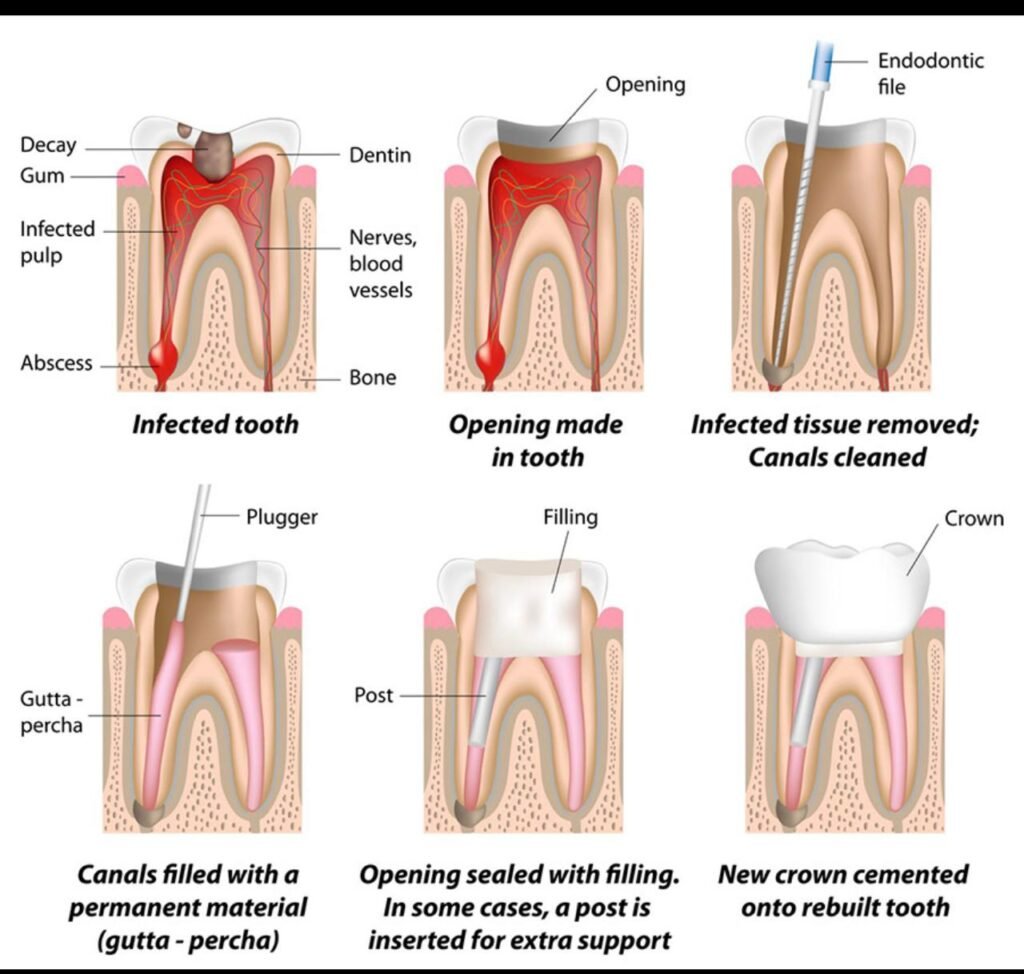
A root canal is an endodontic procedure done to save a tooth that is deeply infected or painful.
When the infection reaches the pulp (the soft tissue inside the tooth), simply placing a filling is no longer enough.
The Right Way to Treat a Tooth Infection
Step-by-Step Root Canal Procedure
- 1. Tooth PreparationAny decay is carefully removed, and the tooth is gently opened to locate the root canals before cleaning begins.
- 2. Cleaning the InfectionThe infected pulp is removed under rubber dam isolation.
- 3. Canal ShapingCanals are shaped thoroughly to prepare for disinfection.
- 4. Canal FillingThe canals are filled with a biocompatible sealing material.
- 5. Final SealingThe canal opening is sealed to prevent reinfection.
- 6. Restoration Placement is RecommendedA protective restoration strengthens the tooth and improves longevity.
Advanced Root Canal Treatment at Our Clinic
We don-t just -clean and fill- the tooth.
Our approach focuses on precision, disinfection, and long-term success.
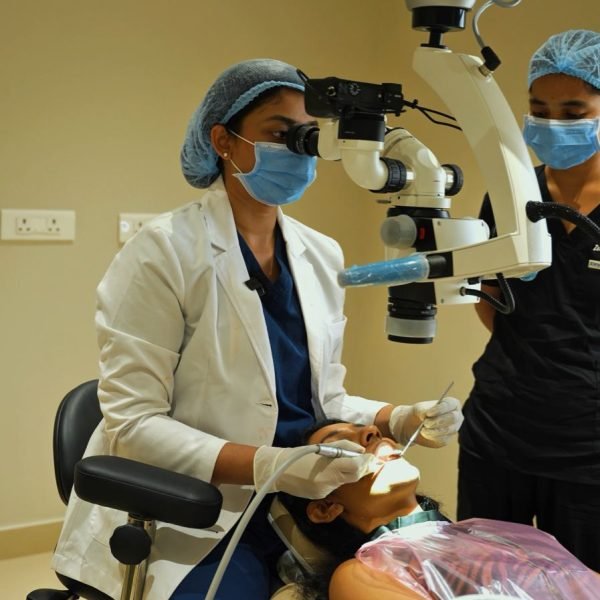
Microscopic Root Canal Treatment
- Performed under high magnification
- Helps locate tiny or hidden canals and cracks
- Leads to more accurate cleaning and longer-lasting results
CBCT (3D Scan) Guided Treatment
- Helps identify:
- Extra or missed canals
- Curved or complex roots
- Deep infections in the bone
- Reduces the risk of failed root canals caused by missed anatomy
Continuous Chemical Disinfection
- Disinfectants are used continuously throughout the procedure
- These solutions are activated with ultrasonic energy
- Ultrasonic activation helps the disinfectant flow into accessory canals and tiny spaces where instruments cannot reach
- This allows effective removal of bacteria from microscopic areas inside the root canal system
Laser Disinfection
- Lasers disinfect tiny canal branches
- Adds an extra layer of safety beyond files and irrigation
Bioceramic Sealers
- Highly biocompatible materials
- Seal microscopic gaps
- Reduce chances of reinfection
Rubber Dam Isolation
- Keeps the tooth isolated, clean, and saliva-free
- Prevents bacterial contamination during treatment
What This Means for You
- Effective infection control
- Less post-treatment discomfort
- Lower chance of repeat treatment
- Higher long-term success rate
- A natural tooth that lasts longer
Antibiotics and Painkillers Don-t Cure Tooth Infections
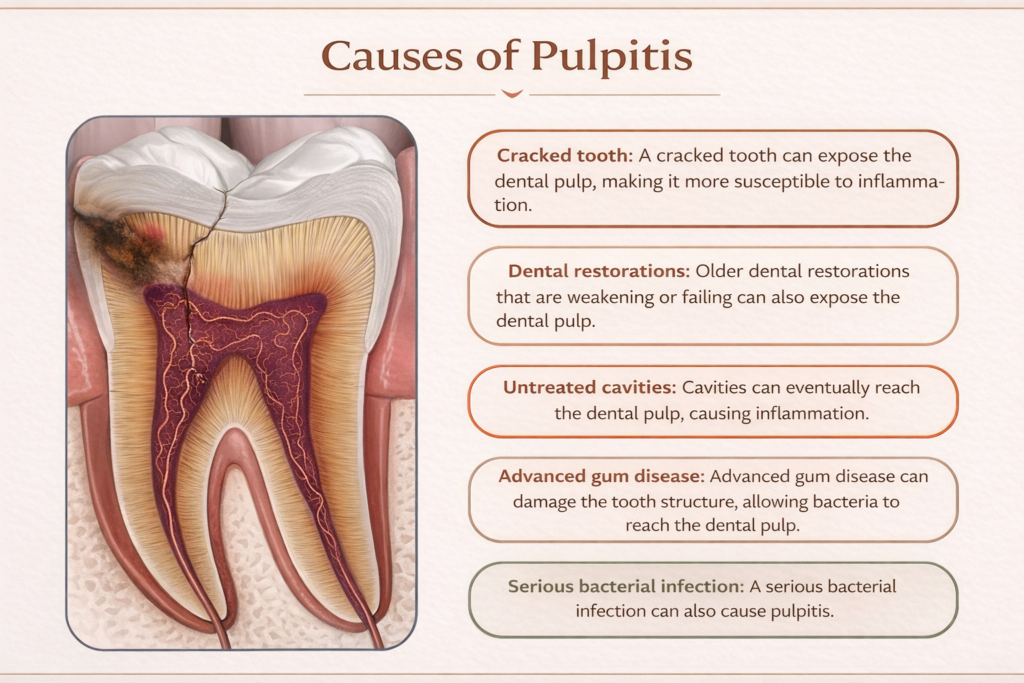
Many people take antibiotics or painkillers when they have tooth pain and feel better for a few days.
This often creates the false impression that the problem is gone - but the infection is still inside the tooth.
What Actually Happens
- Painkillers only reduce pain, they do not treat infection
- Antibiotics reduce bacteria in the surrounding tissues, but
- They cannot reach the infected pulp inside the tooth once the blood supply is damaged
So while symptoms may temporarily reduce, the infection:
- Continues silently inside the tooth
- Slowly spreads into the bone
- Becomes more severe over time
Why Tooth Infections Don-t Heal on Their Own
Once the pulp is infected or dead:
- There is no blood supply inside the tooth
- Antibiotics cannot penetrate the root canals effectively
- The body cannot clear the infection without dental treatment
This is why tooth infections:
- Often return suddenly
- Cause swelling or abscesses
- May require more complex treatment if delayed
The Risk of Delaying Proper Treatment
Relying only on medications can lead to:
- Worsening bone infection
- Spread of infection to nearby teeth
- Facial swelling or abscess formation
- Increased pain later
- Higher chances of tooth loss
- Increase the risk of systemic infection, especially in patients with diabetes, heart conditions, or low immunity
- Medications may mask symptoms, but they do not cure the cause.
FAQ's
Restorative dentistry focuses on repairing damaged or decayed teeth so they look, feel, and function like natural teeth again.
No. Many cavities can be treated with fillings, inlays, or onlays depending on how much tooth structure is lost.
A small cavity can grow deeper, eventually reaching the nerve and leading to pain, infection, or root canal treatment.
Fillings last many years, but their lifespan depends on bite forces, oral hygiene, and material used.
Yes. Modern restorations are designed to blend seamlessly with your natural teeth.
Most procedures are done under comfortable local anesthesia, and patients usually feel minimal discomfort.
Yes, if treated early. Cracks can often be managed with bonded restorations that strengthen the tooth.
Yes. Treating cavities and cracks early can prevent nerve involvement.
To save your natural tooth, reduce pain, and restore normal function.
Early treatment means simpler procedures, less cost, and better outcomes.
Inlays, Onlays, Endocrowns & Other Restorations
At our clinic, we provide advanced restorative treatments to repair damaged teeth while preserving as much natural tooth structure as possible. Our focus is on restoring strength, function, and aesthetics with conservative, long-lasting dental care. Visit us for professional Teeth Cleaning Near Me to maintain a healthy and brighter smile.
- Composite Fillings: Perfect for small to moderate cavities, composite fillings are tooth-colored restorations that blend seamlessly with your natural teeth. They restore both appearance and functionality while being minimally invasive.
- Inlays: Inlays are designed to fill cavities within the cusps of a tooth. They provide a precise, durable restoration for moderately damaged teeth and are ideal when a simple filling isn-t sufficient.
- Onlays: Onlays extend over one or more cusps of the tooth, offering greater coverage for larger areas of damage. They allow us to preserve healthy tooth tissue while providing a strong, reliable restoration.
- Crowns: Full-coverage crowns are used for severely damaged or weakened teeth. Available in durable materials such as ceramic or porcelain, crowns protect the tooth, restore chewing function, and maintain a natural appearance.
- Endocrowns: Specifically designed for teeth that have undergone root canal treatment, endocrowns combine the functions of a post, core, and crown into a single restoration. They utilize the internal walls of the tooth for retention, minimizing stress and preserving remaining healthy tooth structure.
All our restorations are crafted from high-quality ceramic, porcelain, or composite materials, ensuring strength, longevity, and a natural look. By choosing the right option, we can repair your tooth efficiently, restore its function, and protect your smile - all while removing the least amount of healthy tooth tissue.
Conservative, durable, and natural-looking restorations help maintain oral health and confidence in your smile for years to come.
Restorations are designed using both traditional techniques and advanced biomimetic principles. To learn more about biomimetic restorations, Click here
Talk to Us
FAQ's
It treats infection or inflammation inside the tooth nerve, helping save the natural tooth instead of removing it.
When the nerve is infected or inflamed due to deep decay, cracks, trauma, or repeated dental work.
With modern techniques, a root canal feels similar to getting a filling, not painful as commonly believed.
The infection can spread, causing severe pain, swelling, bone loss, or tooth loss.
The canals are cleaned, disinfected, and sealed to remove bacteria and prevent reinfection.
Saving your natural tooth is usually better for chewing, jaw health, and long-term stability.
Yes. With proper restoration and care, a treated tooth can last many years or even a lifetime.
Our Approach to Restorative Care
At our clinic, we believe restoration goes beyond repairing teeth - it-s about restoring confidence, comfort, and quality of life. We use digital imaging, high-precision materials, and minimally invasive techniques to ensure that every restoration is strong, natural, and comfortable. From small fillings to complex reconstructions, our focus is always on achieving functional excellence and aesthetic perfection.
If you-re experiencing tooth pain, damage, or wear, restorative dentistry can help you regain a healthy, beautiful smile that lasts. Our team is dedicated to creating long-term solutions that enhance both your oral health and overall well-being.
Contact us today to schedule your restorative consultation and take the first step toward rebuilding your smile with precision and care.
Reviews
I got teeth whitening at Zen Dental Studio .Dr Roopa explain everything clearly, and the results are clearly visible. Best Dental Clinic. I-ve ever visited friendly staff and great environment.
Rukminipriyanka KutcharlapatiWant to embrace a confident new look?
Consult a smile design specialist today to learn how this transformative treatment can benefit you!
Contact Us