Implant Dentistry

HOME - Treatments - Implant Dentistry

Restore missing teeth with lasting strength, comfort, and a natural-looking smile.

Restore Your Smile with Precision and Permanence

Implant Dentistry offers the most natural, long-lasting solution for replacing missing teeth - restoring not just your smile, but your confidence, comfort, and quality of life. At our dental studio, we use advanced implant systems and state-of-the-art imaging technology to deliver results that look, feel, and function just like real teeth. Whether you-re missing a single tooth, multiple teeth, or need a full-mouth restoration, our implant solutions are custom-designed to give you back a strong, beautiful smile that lasts a lifetime.

Talk to Us

Long-Term Solution for Missing Teeth

Implant Dentistry is the art and science of replacing missing teeth with titanium or zirconia implants that act as artificial tooth roots. These implants fuse naturally with your jawbone, providing a stable and durable foundation for crowns, bridges, or dentures. Unlike dentures, dental implants preserve bone health, maintain facial structure, and eliminate the discomfort and instability. If you are searching for Dental Implants Near Me, Walk in to Zen Dental Studio at Nallagandla today!

Permanent, Natural-Looking Tooth Replacement

Dental implants are designed to mimic the appearance, strength, and function of natural teeth. They blend seamlessly with your existing smile and allow you to eat, speak, and smile confidently again.

Restores Function and Bite Strength

Implants provide superior stability compared to traditional bridges or dentures. You can comfortably enjoy your favorite foods without worrying about movement or discomfort.

Preserves Jawbone and Facial Structure

When teeth are missing, bone loss naturally occurs over time. Implants stimulate the jawbone just like natural roots, preventing bone resorption and maintaining the natural contours of your face.

Long-Lasting and Reliable

With proper care, dental implants can last decades - often a lifetime. They-re resistant to decay and designed for durability, making them one of the best long-term investments in your oral health.

Comfortable and Precise Procedures

Our clinic uses advanced 3D imaging, guided implant placement, and minimally invasive techniques to ensure accuracy, comfort, and quick recovery. Most patients experience minimal discomfort and fast healing times.

Implant Treatments We Offer

From gentle care to expert advice, we-re dedicated to helping you smile brighter every day.

Guided implant surgery

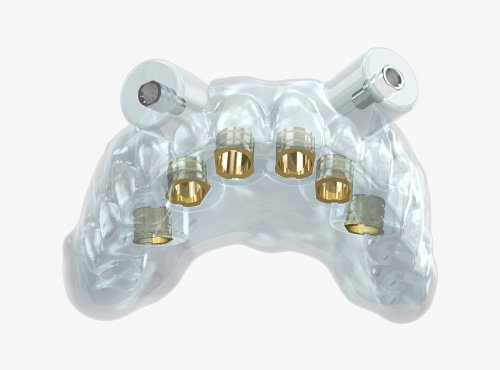
Guided implant surgery is an advanced, technology-driven approach to dental implant placement that improves precision, safety, and predictability. The process begins with an intraoral digital scan combined with a CBCT scan taken using our in-house CBCT machine. These two datasets are digitally overlapped to create a highly accurate three-dimensional model of the patient-s jaw.

Using specialized software, the implant is virtually planned on the computer while carefully considering critical anatomical structures such as nerves, sinuses, and surrounding bone. Based on this virtual plan, a customized surgical guide is designed and 3D printed.

During the procedure, this guide directs the exact position, angle, and depth of implant placement, significantly enhancing accuracy and safety. Guided implant surgery minimizes surgical trauma, improves outcomes, and allows for more predictable, well-planned implant treatment tailored to each patient.

Talk to Us
Guided implant surgery
Single Tooth Implant

Single Tooth Implant

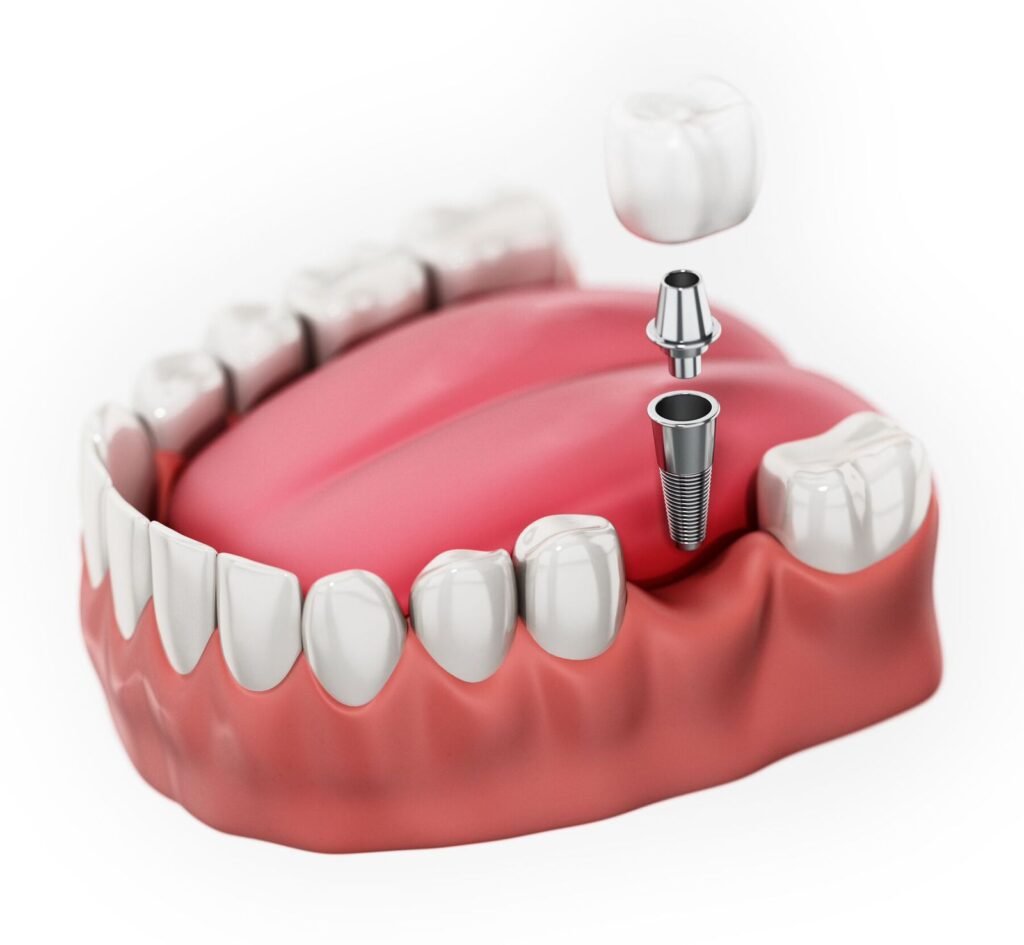
A single tooth implant is the most natural and long-lasting solution for replacing one missing tooth. It restores the tooth without affecting the neighbouring healthy teeth and blends seamlessly into your smile.

What Is a Single Tooth Implant?

A titanium implant is placed into the jawbone to replace the missing tooth root. Once it integrates with the bone, a custom-made crown is attached, restoring both function and aesthetics.

Who Is It Ideal For?
  • Patients missing one tooth
  • Those with healthy adjacent teeth
  • Patients seeking a fixed, long-term solution
Benefits
  • Looks and feels like a natural tooth
  • No drilling of neighbouring teeth
  • Preserves jawbone and facial structure
  • Fixed, stable, and long-lasting

Implant supported bridges

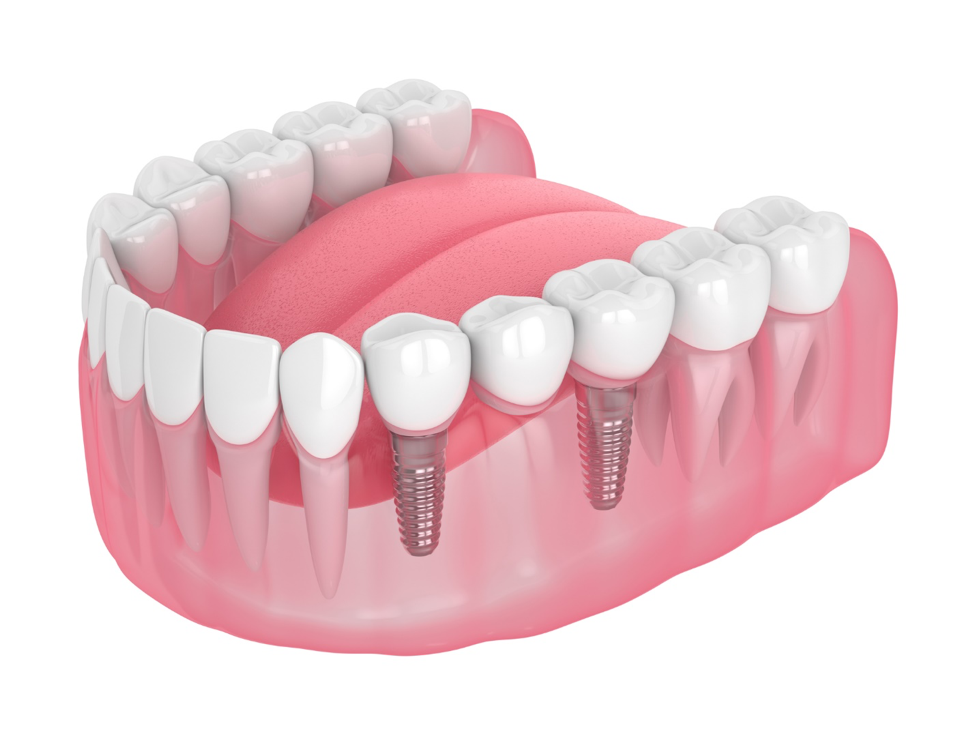
An implant-supported bridge is a dental restoration used to replace multiple missing teeth in a row. Instead of relying on natural teeth for support, the bridge is anchored to dental implants placed in the jawbone. These implants act as artificial roots, providing a stable and secure foundation for the bridge. This approach eliminates the need to grind down healthy neighboring teeth, which is required in traditional bridges.

Implant-supported bridges look, feel, and function like natural teeth, offering excellent chewing power and comfort. They also help maintain jawbone health by stimulating bone growth and preventing bone loss that occurs after tooth loss. With proper care, these bridges can last many years, making them a durable and aesthetic solution for restoring a complete and confident smile.

Talk to Us
Implant supported bridges
All-on-Four Implant-Supported Fixed Prosthesis

All-on-Four Implant-Supported Fixed Prosthesis

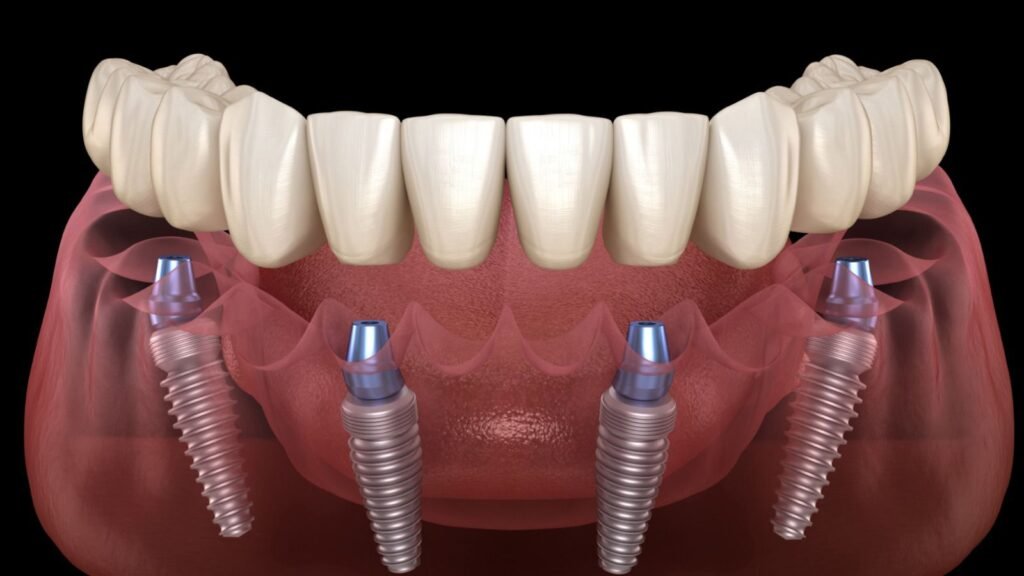
The All-on-Four implant-supported fixed prosthesis is an advanced solution for patients who have lost all teeth in one jaw or have teeth that can no longer be saved. This treatment uses four strategically placed dental implants to support a full arch of fixed replacement teeth.

The implants are carefully positioned in the jawbone to maximize available bone and provide strong support for the prosthesis. This strategic placement often allows treatment even in patients with reduced bone volume and may reduce the need for extensive bone grafting.

The fixed prosthesis is securely attached to the implants and cannot be removed by the patient. It restores chewing efficiency, speech, and natural aesthetics while offering excellent stability and comfort. Unlike removable dentures, an All-on-Four restoration feels more like natural teeth and allows patients to eat, speak, and smile with confidence.

All on six implant supported fixed prosthesis

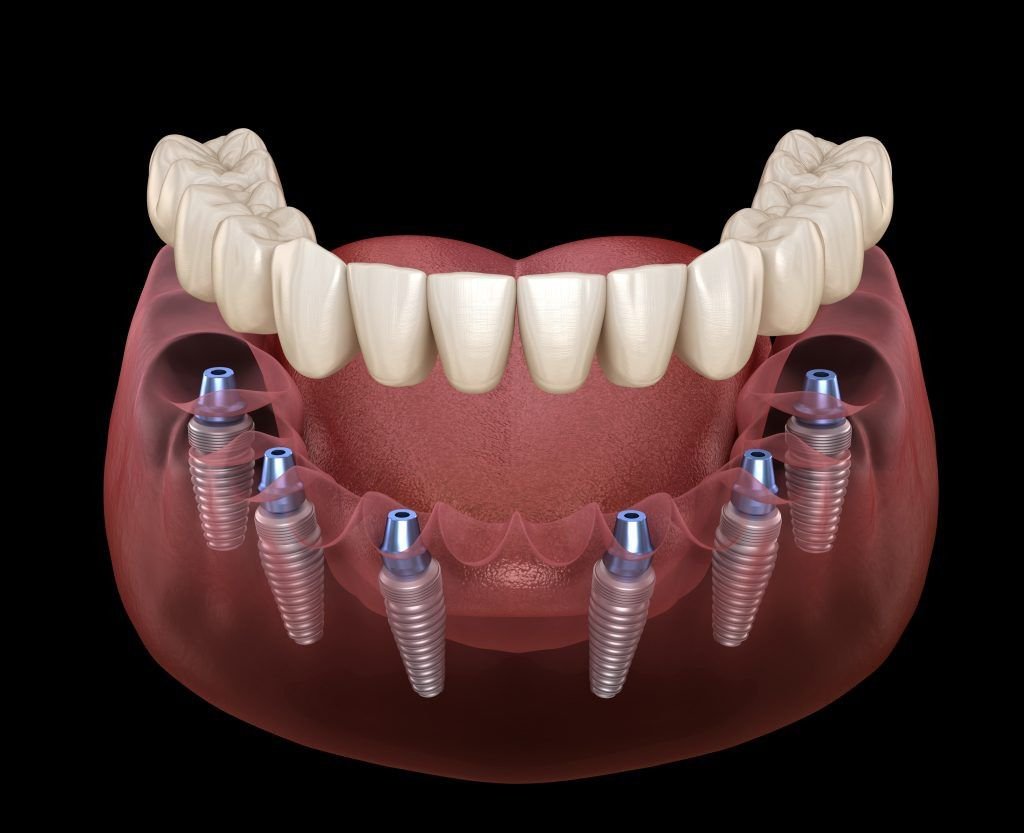
The All-on-Six implant-supported fixed prosthesis is a comprehensive solution for patients who have lost all teeth in one jaw or require full-arch rehabilitation. In this approach, six dental implants are placed strategically in the jawbone to support a full-arch fixed prosthesis.

By using six implants instead of four, this treatment provides enhanced support and more even distribution of chewing forces. It is especially suitable for patients with adequate bone volume and higher functional demands, offering improved long-term stability and durability.

The fixed prosthesis is securely attached to the implants and cannot be removed by the patient. It restores natural function, speech, and aesthetics while closely mimicking the look and feel of natural teeth. Compared to removable dentures, an All-on-Six restoration offers superior comfort, confidence, and chewing efficiency.

All-on-Six implant-supported fixed prostheses are a predictable, long-term treatment option that helps preserve jawbone health and significantly improves overall oral function and quality of life.

All on six implant supported fixed prosthesis
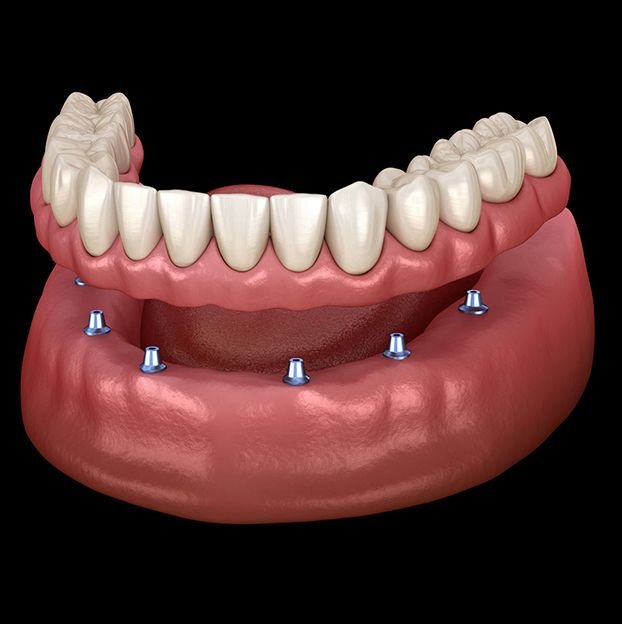
Implant-Supported Removable Overdentures

Implant-Supported Removable Overdentures

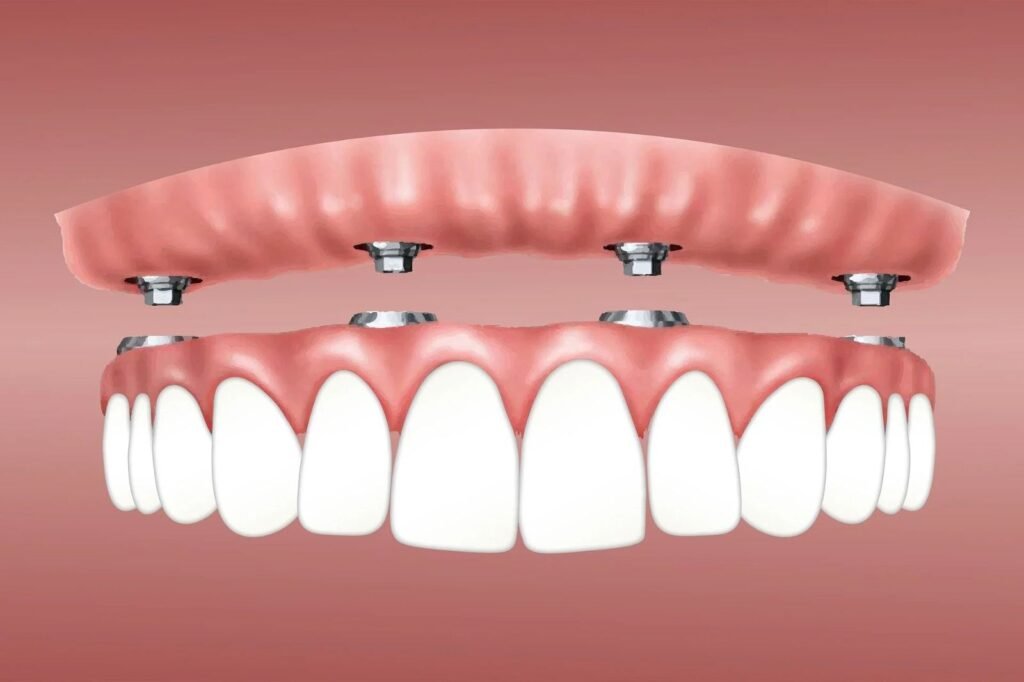
Implant-supported removable overdentures are a reliable and cost-effective alternative to conventional dentures, offering improved stability, comfort, and function. This treatment is often preferred in cases where a patient-s economical considerations are important or when there is limited bone available for multiple implants. In such situations, implant-supported overdentures provide an ideal balance between function, affordability, and long-term benefit.

Dental implants placed in the jawbone act as anchors for the denture, keeping it securely in position. Unlike traditional dentures, which may loosen or dislodge while speaking or eating, implant-supported overdentures remain stable, improving confidence and daily comfort.

The overdenture can be removed by the patient for cleaning, while still offering significantly better retention than conventional dentures. Additionally, this treatment helps preserve jawbone, improves chewing efficiency, and enhances overall quality of life for patients seeking a dependable yet practical tooth replacement option.

Talk to Us

Implant-Supported Fixed Dentures

Implant-supported fixed dentures are a permanent and stable solution for replacing multiple missing teeth or a complete arch. In this treatment, dental implants are placed in the jawbone and serve as strong anchors for a denture that is fixed in position and cannot be removed by the patient.

Unlike removable dentures, implant-supported fixed dentures remain securely in place during eating and speaking, providing superior comfort, confidence, and chewing efficiency. They closely mimic the look and function of natural teeth and help restore normal speech and facial support.

These fixed dentures also help preserve jawbone by transmitting chewing forces to the bone, reducing bone loss associated with missing teeth. Implant-supported fixed dentures are a predictable, long-term treatment option for patients seeking a natural-feeling, durable, and aesthetically pleasing replacement for missing teeth.

Implant-Supported Fixed Dentures

FAQ's of Implant Dentistry

A dental implant is a small titanium post placed in the jawbone to replace a missing tooth root. It supports a crown, bridge, or denture and functions like a natural tooth.

Yes. Dental implants are a well-researched and safe treatment when placed by a trained dentist using proper planning and imaging.

Dental implant treatment is performed under local anaesthesia, so you do not feel pain during the procedure. After the treatment, medications are prescribed for the next 3 to 5 days to ensure comfort and control any post-procedure discomfort. Most patients are able to continue their routine activities comfortably.

Dental implant treatment is usually completed in 2 to 3 stages. In the first visit, the implant is placed into the jawbone. The bone is then allowed to heal and integrate with the implant, a process called osseointegration, which typically takes around 3 months. Once the implant is securely stabilised by the surrounding bone, a custom crown (prosthesis) is placed.

With advanced implant systems and careful case selection, it may be possible to place a temporary tooth immediately or within 4-6 weeks, while the implant continues to integrate. The final treatment plan is always decided after evaluating bone quality, bite, and overall oral health.

The need for blood tests is decided on an individual basis after a detailed medical history and clinical evaluation, keeping patient safety as the priority.

Dental implants are a safe and predictable treatment, but certain health conditions need careful evaluation to ensure proper healing and long-term success.

Diabetes
Well-controlled diabetes usually does not prevent implant placement. However, uncontrolled diabetes can delay healing and increase the risk of infection.

Smoking or Tobacco Use
Smoking can affect blood supply to the gums and bone, increasing the risk of implant failure. Reducing or stopping smoking significantly improves success rates.

Gum Disease (Periodontal Disease)
Active gum infections must be treated before implant placement to create a healthy foundation for the implant.

Bone Health Issues
Conditions like osteoporosis or low bone density may affect implant stability. Bone quality and volume are carefully assessed using scans.

Medications Affecting Bone Healing
Certain medications, such as long-term bisphosphonates or other bone-modifying drugs, may influence healing and require special precautions.

Autoimmune or Immune-Compromised Conditions
Conditions that affect the immune system can slow healing and increase infection risk, so treatment planning is customised.

Previous Radiation Therapy to the Jaw
Patients who have received radiation in the head or neck area need detailed evaluation before implant placement.

Heart Conditions
Some heart conditions may require antibiotic coverage or coordination with a physician prior to the procedure.

Poor Oral Hygiene Habits
Good oral hygiene is essential for implant longevity. Patients are guided and supported to maintain healthy implant care.

What if I don-t have enough bone?
Bone grafting or advanced implant techniques may be recommended to create a strong foundation for the implant.

Implants are cared for like natural teeth-brushing, flossing, and regular dental check-ups are essential.

Absolutely. Implants do not require cutting adjacent teeth and help preserve jawbone, making them a long-term and natural-feeling option for many patients.

In guided implant surgery, the implant position is planned virtually using CBCT scans and digital impressions. This allows for higher accuracy, minimal guesswork, and better protection of important structures like nerves and sinuses.

Precision and Accuracy

  • Guided: The implant is placed exactly where it was planned digitally, considering bone anatomy, nerves, and sinuses.
  • Conventional: Placement relies on the surgeon-s judgment, which can sometimes lead to slight deviations.

Safety

  • Guided: Reduced risk of damaging nerves, sinuses, or adjacent teeth because the digital guide ensures the correct angulation and depth.
  • Conventional: Higher dependency on surgeon-s experience; small errors can cause complications.

Minimally Invasive

  • Guided: Often allows flapless surgery (no large gum cuts), leading to less trauma and faster healing.
  • Conventional: Usually requires raising a flap, which can be more invasive.

Predictable Outcomes

  • Guided: Digital planning allows visualization of the final restoration and prosthetic outcome before surgery.
  • Conventional: May require adjustments after placement if angulation or positioning isn-t perfect.

Reduced Surgery Time

  • Guided: The pre-planned guide simplifies placement, often making the procedure quicker.
  • Conventional: Longer surgery time due to intra-operative measurements and adjustments.

Better Aesthetic Results

  • Guided: Ideal positioning ensures the crown or prosthesis aligns perfectly with surrounding teeth, enhancing aesthetics.
  • Conventional: Slight deviations can affect final smile design and require corrective work.

Improved Patient Comfort

  • Guided: Less swelling, less post-operative discomfort, and faster recovery.
  • Conventional: More invasive, potentially more post-op pain and swelling.

Enhanced Communication

  • Guided: The digital plan can be shared with the patient and dental lab, improving understanding and collaboration.
  • Conventional: Limited pre-surgical visualization for patients and lab.

Reviews

?????

Zen dental studio is the best dental care I have visited so far . Dr. Rupa is truly professional , has patience with patients. She loves her profession and very detail to very small issues. Affordable prices and high class treatment. The dental studio is very clean and hygienic, unique when compared to other clinics . No hidden costs or gimmics. Highly recommended

Param Jyothi

Want to embrace a confident new look?

Consult a smile design specialist today to learn how this transformative treatment can benefit you!

Contact Us

Talk to us

Call Us WhatsApp Instagram YouTube